HONDA 65733 Prelude Din Cassette Player Am Fm Radio Dash Am/fm Stereo
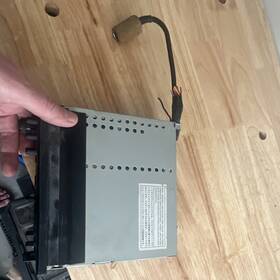
( Brand: Honda ), ( Manufacturer Part Number: 65733 ), ( Type: Cassette Player ), ( Unit Size: 1 Din ), ( Features: Am/fm Radio )
Review HONDA Prelude Din Cassette Player Am/fm Radio In dash Stereo Oem
The **Honda 65733 1986 Prelude In-Dash Stereo with AM/FM Radio and Din Cassette Player** is a meticulously crafted, vintage automotive audio system designed to deliver reliable entertainment and connectivity for enthusiasts seeking a blend of nostalgia and functionality. This original factory-installed unit, sourced from a classic Honda Prelude, embodies the engineering precision of the late 1980s, featuring a sleek, black plastic housing that seamlessly integrates into the dashboard s contours. The front panel is adorned with a crisp, backlit analog dial layout, complete with a dedicated AM/FM tuning knob, a cassette transport control cluster, and a compact, yet intuitive, button array for essential functions like seek, volume, and preset station recall. The cassette deck, a hallmark of the era, accommodates standard audio cassettes with smooth, reliable playback, offering a warm, analog sound signature that enhances the driving experience with a touch of retro charm.
Under the hood, this stereo system is built to endure, with a robust internal architecture that includes a high-quality tuning circuit for crisp AM and FM reception, even in less-than-ideal conditions. The DIN cassette player, a staple of automotive audio from the '80s, ensures compatibility with a vast library of pre-recorded tapes, from classic rock and synth-pop to jazz and soundtracks, allowing drivers to enjoy their favorite music with minimal effort. The unit s compact yet functional design includes a built-in antenna connector, enabling easy integration with the vehicle s existing antenna system for optimal signal strength. While modern conveniences like Bluetooth or digital connectivity are absent, the system s simplicity and reliability make it a prized find for collectors and restorers aiming to preserve the authenticity of their Honda Prelude.
Beyond its technical specifications, this stereo unit carries a piece of automotive history, reflecting the automotive audio landscape of the mid-'80s, when cassette players and analog tuning were the gold standard. Its inclusion in a 1986 Prelude known for its sporty handling and iconic design adds to its allure, making it a sought-after component for enthusiasts who appreciate both form and function. Whether installed in a fully restored classic or as part of a meticulous build, this in-dash stereo serves as a testament to Honda s attention to detail and the enduring appeal of analog automotive entertainment. For those who value authenticity and the tactile experience of tuning in to their favorite stations with a simple twist of a knob, this unit is a perfect blend of vintage charm and dependable performance.
**Pros and Cons of Buying a 1986 Honda Prelude (Model 65733) with an In-Dash Cassette Player (AM/FM Radio)**
### **Pros**
1. **Classic Design and Driving Experience**
The 1986 Honda Prelude is a well-regarded sports sedan from its era, known for its sharp handling, lightweight construction, and engaging driving dynamics. The car s compact size and rear-wheel-drive layout make it enjoyable to drive, especially on winding roads. For enthusiasts who appreciate the aesthetics and performance of late-1980s Japanese cars, this model holds a nostalgic and cultural appeal.
2. **Reliability of Honda s Mechanical Components**
Honda s engineering in the 1980s was solid, particularly in the Prelude s B-series engine (the 1.6L or 1.8L in this model). The engine is known for longevity if properly maintained, and the overall mechanical design is straightforward compared to more complex modern systems. With regular upkeep, the car can last well beyond its original lifespan.
3. **Functional In-Dash Cassette Player**
The AM/FM cassette player is a practical feature for its time, offering a simple way to listen to music without the need for external speakers or aftermarket upgrades. Cassette tapes were widely used in the 1980s, so this system would have been convenient for the original owner. While not as versatile as modern systems, it serves a specific nostalgic and functional purpose.
4. **Potential for Restoration or Modification**
The Prelude s popularity among enthusiasts means there is a community of owners who share knowledge, parts, and restoration tips. This makes it easier to find resources for repairs, upgrades, or modifications. Common projects include engine swaps (e.g., adding a turbocharger or larger displacement), suspension tuning, or interior refinements.
5. **Lower Operating Costs Compared to Modern Cars**
Fuel efficiency in the 1980s was often better than in some modern vehicles, especially when compared to larger or less efficient contemporary cars. Parts for the Prelude are generally affordable, and labor costs for basic repairs are lower than for newer models. Insurance and registration fees may also be modest, depending on the region.
6. **Collectible Value for Enthusiasts**
Well-preserved examples of the 1986 Prelude, particularly those with desirable options or low mileage, can appreciate in value over time. The car s status as a cult classic among JDM (Japanese Domestic Market) enthusiasts ensures a dedicated market for buyers who appreciate its heritage.
---
### **Cons**
1. **Age-Related Wear and Tear**
The car is nearly 40 years old, which means it will likely require significant maintenance to remain roadworthy. Common issues include worn suspension components, rust (particularly in the subframe or wheel wells), failing electrical systems, and aging interior materials. The cassette player itself may have degraded tape decks, weak speakers, or failing wiring.
2. **High Maintenance Requirements**
Regular upkeep is essential to prevent major failures. This includes oil changes, timing belt replacement (critical for the B-series engine), brake system inspections, and addressing rust. Neglecting maintenance can lead to costly repairs, such as engine damage from a failed timing belt or transmission issues.
3. **Limited Modern Safety Features**
The 1986 Prelude lacks modern safety standards such as airbags (unless aftermarket-installed), anti-lock brakes (ABS), electronic stability control, or advanced crash structures. While the car s lightweight design contributes to its handling, it also makes it more vulnerable in a collision compared to modern vehicles.
4. **Reliance on Obsolete Technology**
The cassette player is outdated by today s standards, offering no Bluetooth, USB, or auxiliary inputs. If you value modern connectivity (e.g., streaming music, phone integration), you would need to install an aftermarket stereo, which can be costly and may not fit seamlessly into the original dash.
5. **Parts Availability and Costs**
While parts for the Prelude are generally accessible, some components (e.g., specific body panels, rare electrical parts, or aftermarket performance pieces) can be expensive or difficult to source. Rust-damaged parts may require custom fabrication, adding to the cost of restoration.
6. **Insurance and Legal Considerations**
Insuring an older car can be more expensive than insuring a modern vehicle, depending on the coverage and the car s condition. Additionally, some regions have strict emissions or safety standards that may require modifications or inspections, adding to the ownership burden.
7. **Driving Practicality**
The Prelude s compact size and rear-wheel-drive layout make it nimble but can also be impractical for daily use in certain situations. Fuel tanks are small (around 12 gallons), requiring more frequent refueling. The car s interior is basic by modern standards, with limited storage space and less ergonomic seating for long trips.
8. **Potential for Hidden Problems**
Without a thorough inspection, buyers may inherit undisclosed issues such as:- **Engine problems** (e.g., carbon buildup, valve train wear, or oil leaks).
- **Transmission wear** (especially in automatic models, which can be less reliable than manuals).
- **Electrical gremlins** (e.g., faulty wiring, intermittent gauges, or failing accessories).
- **Structural rust** (common in older Hondas, particularly in the subframe or wheel arches).
---
### **Conclusion**
Buying a 1986 Honda Prelude with an in-dash cassette player is a decision that hinges on your priorities. If you are an enthusiast who values the car s driving dynamics, classic appeal, and the potential for restoration or modification, it can be a rewarding purchase. The Prelude s reliability, combined with its cult following, makes it a sound investment for those who appreciate its heritage.
However, if you prioritize modern convenience, safety, or practicality for daily use, the car s age and limitations may outweigh its charms. The cassette player, while nostalgic, is a functional liability in today s world, and upgrading the stereo would likely be a top priority for most buyers.
**Recommendation:**- **Buy if:** You are a Honda enthusiast, enjoy classic car restoration, and are prepared for the maintenance and costs associated with an older vehicle. Ensure the car has been thoroughly inspected for rust, engine health, and electrical systems. Budget for at least $3,000 $5,000 for a reliable example, with additional funds for repairs or upgrades.
- **Avoid if:** You seek a practical, low-maintenance vehicle for daily use or require modern features like Bluetooth, GPS, or advanced safety systems. Consider alternatives such as a well-maintained modern sports sedan or a more recent JDM car if you want a balance of nostalgia and functionality.
Ultimately, the Prelude is a car for those who appreciate its spirit and are willing to put in the effort to keep it running. For casual buyers or those seeking a hassle-free ownership experience, it may not be the best choice.
Details:
This came out of a 1986 Honda Prelude. Overall very good shape and I have no reason to believe it doesn't work. Its been in my dads basement for a good 30 years.
part #: 65733 prices
- $35.00-$297.00
specifications indasuni:
- brand: Honda
- mpn: 65733
- type: Cassette Player
- unit size: 1 Din
- features: Am/fm Radio
shipping indasuni:
- transit: 5-11 Days
- class: Standard
- carrier: USPS
- type: Calculated
- cost: $9.84
- service: USPS Ground Advantage
payments indasuni:
- credit card: Mastercard
- wallet: Google-pay
- other
seller indasuni:
- # reviews: 213
- city: Boise, Idaho
- rating: 100.0%
general indasuni:
- condition: Used
- Vehicle Electronics GPS > Car Audio > Car Audio In-Dash Units
returns indasuni:
- policy: No Returns
offer indasuni:
- availability: In Stock
- started: April 24, 2026
- best offers: True
- options: Ship-to-home
- quantity: 1
- sold: 0
Honda 65733 Is Similar To:
- 00842582108824 Honda Civic Am Fm Cd Radio With Code (34.4% similar) Tired of listening to static over your fm modulated satellite radio. Just plug it right in and listen radio the way is supposed sound. Same with the bass, treble, fade, and balance. Just plug and play. Use the volume control on radio as you usually would. Yes everything works. Largest inventory of ...(May 26th, 2018)
- 08118-sf107ah Cd2008 Factory Oem Acura Lot Of Vintage Honda Remote Cd Player (20.6% similar) Part model s: 08118-SF107AH CD2008 see numbers and make sure they are the right ones for your car. See photos for connections and condition. Made by alpine. 2x factory Honda CD players...(October 25th, 2018)
- 08a06-121-110 Cd2122 Honda Factory Oem Am Fm Radio Cd Player Untested Needs (33.8% similar) Not fully tested needs code. Not sure what model car this fits. Part model 08A06 CD2122 make sure it is the right one for your car see numbers and photos connections. Factory Honda radio CD player...(January 21st, 2019)
- 08a06-121-210 Cd2102 Honda Factory Oem Alpine Cd Player (29.9% similar) Radio is not included. Tested and does not play CDs. Part model 08A06 CD2102 make sure it is the right one for your car see numbers and photos connections. Not sure what model car this fits. Factory Honda CD player...(December 22nd, 2018)
- 08a53-s5a-100 Honda Civic Cassette Player Part Number 00842582127641 (40% similar) Some of our radios are purchased on closeout from gm, ford, Chrysler. If you do not have this exact part number currently in your vehicle, it will likely work. Appearance is as pictured, function perfect. This listing is for a Honda civic cassette player. Blemishes: extremely minor wear on the face...(April 2nd, 2018)
- 1xa0 Honda Unit Cd Player (31.4% similar) I cannot test this unit at time. Oem in-dash stereo Honda 1XA0 I think this is compatible with accord, civic, 94-99 please look up your car to be sure. Selling as is...(July 2nd, 2018)
- 39100-s0x-a110-m1 Honda Geniune Cassette Player Part (41.9% similar) This is perfect if you want to replace a non working stock radio or an aftermarket and help keep your Honda. This radio is also compatible with the Honda standalone CD player which part 08A06 I have listed on as well if you want to pair. Genuine Honda am fm cassette player part S0X-A110-M1. This ...(September 18th, 2018)
- 39100-s0x-a220 Cq-jh8162x Honda Odyssey Civic Accord Radio Cd (30.4% similar) Volume control cleaned. Has scratches on left side and a small cut top. Perfect working condition. Fits Honda ODYSSEY99-00 CIVIC98-02 accord only needs the bracket if used in accord, using odyssey or civic remove. Look at pictures as they are part of the. Good cosmetic condition. Optical pickup ...(November 12th, 2018)
- 39100-s9v-a210 Honda Pilot Am Fm Radio Single Cd Cassette 00842582121359 (29.5% similar) The part number is S9V-A210. The radios appearance is slightly blemished with minor wear and scratches as pictured. Some of our radios are purchased on closeout from gm, ford, Chrysler. I have been involved since the 1950S with factory training from ford, gm, and Chrysler. Free, live technical ...(January 31st, 2019)
- 39100-s9v-a700 Honda Pilot Am Fm Radio Disc Cd Player 00842582114511 (34.5% similar) If you do not have this exact part number currently in your vehicle it will likely work. This radio is being sold as a replacement only. My grandfather started the business back in early 1930'S. 90 warranty included. This listing is for a Honda pilot 2006 to 2008 factory oem am fm 6 disc CD ...(August 8th, 2018)
- 39100-seo-a300-m1 Honda Alpine Vintage Oem Am Fm Cassette Stereo Radio Works (34% similar) Not sure what model car this fits, see the part numbers and check with dealer. Tested: radio works, tape is not working needs belt. Part model s: 39100-SEO-A300-M1. Honda radio cassette player...(July 23rd, 2018)
